
AI and medical ethics: what every healthcare professional must know
When the algorithm enters the care relationship Medical ethics is nothing new. The Hippocratic Oath, in its various modern versions,…


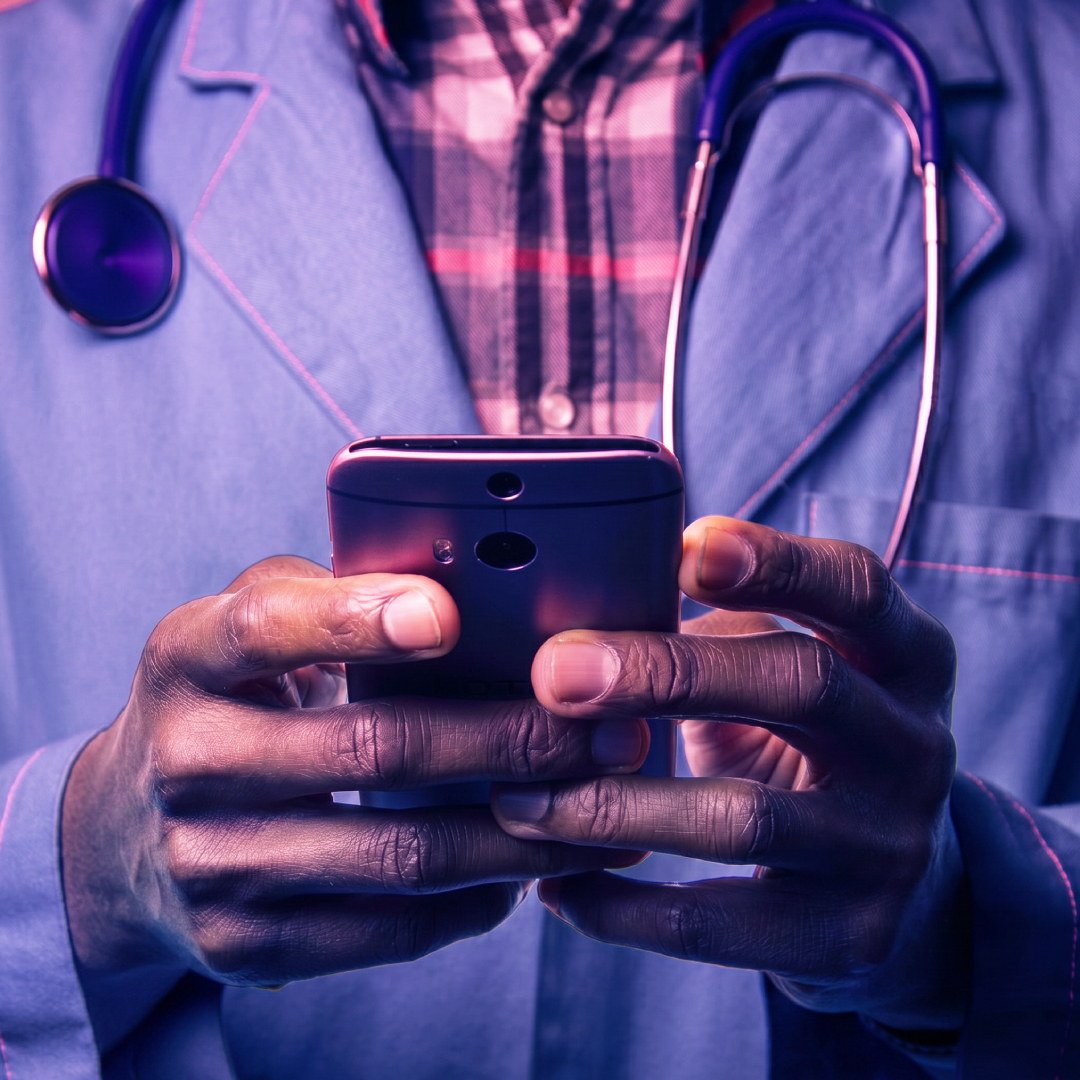
There is a lot of talk about artificial intelligence in healthcare at conferences, in specialist journals and in the strategic plans of regional health agencies. But concretely, what does it change for a GP who sees 30 patients a day? For a night nurse in an intensive care unit? For a pharmacist faced with a complex prescription?
The reality of AI use cases in healthcare is both closer and more varied than one might imagine. It does not only concern the large university hospitals equipped with sophisticated technical facilities: some applications are already accessible in the community, in private practice, in care homes or in rehabilitation centres.
This is the field where AI has the most clinical track record and the most published evidence. Concretely, a radiologist or a physician using an AI imaging system sees automatic annotations appear on their screen that flag suspicious areas on a CT scan, an MRI or an X-ray.
In pulmonology, solutions such as Gleamer (being deployed in several French hospitals) analyse chest X-rays in a few seconds and detect pneumonia, pneumothorax or rib fractures with a level of performance comparable to a senior radiologist. The algorithm does not replace human reading: it prioritises it.
In ophthalmology, AI-equipped screening devices now allow a GP or a trained nurse to screen for diabetic retinopathy without an ophthalmologist present.
In anatomical pathology, AI-assisted digital pathology solutions analyse histological slides to identify cancer cells, quantify tumour expression markers (such as PD-L1 in oncology) and grade lesions.
Differential-diagnosis support tools are beginning to be integrated into consultation software. Isabel DDx, Dx29 or the diagnostic-suggestion feature of Andaman7 are concrete examples already available. These tools are not intended to replace the clinician but to serve as a safety net, particularly for atypical presentations or rare diseases.
Solutions such as Nabla, Suki or Nuance DAX transcribe a spoken medical consultation in real time and automatically generate a structured report, compliant with coding standards and ready to be integrated into the electronic patient record.
Nabla is currently deployed in several French establishments, including private clinics and self-employed practices. It incorporates protections compliant with the GDPR and the digital-health security framework.
AI can generate in a few seconds a narrative summary of the essential clinical points, current treatments and important alerts. This feature is being rolled out by publishers such as Cegedim or Softway Medical.
Automatic coding AIs, such as those offered by Enovacom or Wamed, analyse discharge reports and automatically propose the appropriate ICD-10 and DRG/GHS codes, with a documented accuracy rate above 90% on routine stays.
The Sepsis Sniffer system, developed notably at Bordeaux University Hospital, identifies patients at risk of sepsis several hours before the appearance of recognised clinical signs. Published studies show a significant reduction in sepsis-related mortality in the departments that have adopted it.
In cardiology, devices such as the connected Biotronik Holter ECG patch or post-infarction cardiac telemonitoring solutions enable continuous monitoring at home with automatic detection of arrhythmias.
In diabetology, closed-loop systems (artificial pancreas) combine a continuous glucose sensor, an AI algorithm and an insulin pump to automatically adjust insulin delivery in real time.
Next-generation pharmacovigilance AIs, such as those integrated into Pharma-ML solutions or the advanced modules of Orbis, prioritise alerts according to the patient’s specific profile and only flag the interactions that are genuinely critical in the given clinical context.
Automated reconciliation AIs simultaneously query the dispensing databases of pharmacies, the pharmaceutical record and the hospital record to automatically detect discrepancies and the risks of omission or duplication.
In physiotherapy and physical medicine and rehabilitation (PM&R), solutions such as KineQuantum or Sword Health combine motion sensors and AI to personalise rehabilitation programmes and monitor their execution at home between sessions.
Pressure-ulcer risk prediction: algorithms analysing patient-record data calculate the risk of pressure ulcers in real time and alert the nursing team to trigger targeted preventive measures.
Early detection of clinical deterioration: automated clinical-deterioration scores (such as augmented versions of NEWS2) continuously analyse the vital signs recorded in the nursing record.
Care planning and resource management: hospital flow-management AIs help anticipate nursing-staff needs according to the department’s forecast activity.
Digital cognitive behavioural therapy (CBT) applications, such as Woebot or Wysa, offer AI-guided therapeutic sequences, accessible 24/7 between sessions with the therapist.
Across all these applications, a common thread clearly emerges: “AI does not act alone. It works in interaction with a healthcare professional who remains responsible for the final decision, the relationship with the patient, and the overall clinical judgement.”
What changes is the nature of the work: fewer repetitive and time-consuming tasks, more time for exercising specifically human skills; listening, complex reasoning, empathy, decision-making in situations of uncertainty.
When the algorithm enters the care relationship Medical ethics is nothing new. The Hippocratic Oath, in its various modern versions,…

Three terms, one persistent confusion "Artificial intelligence," "machine learning," "deep learning," "algorithm," "neural network"… These terms circulate in medical conferences,…

A 5-year window to avoid being left behind The world of healthcare is undergoing an unprecedented technological transformation. Artificial intelligence…